
Nature can't wait: ISSB is moving to mainstream new disclosures
- Post Date
- 23 January 2026
- Read Time
- 3 minutes
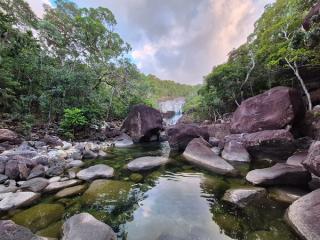
Nature loss and climate change are interconnected drivers of systemic risk. Recognising this, the International Sustainability Standards Board (ISSB) has taken a significant step to integrate nature into the global sustainability reporting baseline.
For Australia, this marks a clear change. Nature-related reporting is likely to become standard, much like climate reporting under the Australian Sustainability Reporting Standards (ASRS).
What is the move from the ISSB?
In November 2025, the ISSB announced it would begin developing standards for nature-related risks and opportunities, building on the framework established by the Taskforce on Nature-related Financial Disclosures (TNFD).
This includes incorporating TNFDs:
- Core disclosure recommendations.
- Metrics and targets.
- A Locate, Evaluate, Assess, Prepare (LEAP) approach for assessing nature-related risks and opportunities.
This decision comes after ISSB’s research into biodiversity, ecosystems, and ecosystem services showed that investors need reliable and consistent information about nature-related issues.
Are organisations ready to report on nature?
We recently conducted industry insight research in Australia to understand market preparedness for TNFD-aligned disclosures, and the findings were clear:
- Two-thirds of companies in our sample are not prepared for TNFD disclosure requirements.
- Many organisations accepted limited internal awareness or capability to make meaningful progress in the near term.
- Concerns from organisations centred on a lack of data availability and a lack of resourcing to understand nature-related risks and opportunities. Very few organisations believe their industry will be ready for nature-related disclosures within the next two years.
This readiness gap highlights a significant risk for businesses that delay action, as investor and regulatory expectations start to accelerate.
Why this matters for your reporting
Global baseline
ISSB standards serve as the global baseline for sustainability disclosures, shaping regulatory frameworks worldwide. Australia’s new ASRS standards are formally based on International Financial Reporting Standards (IFRS) Sustainability Disclosure Standards. This means Australia will closely track ISSB developments, and, as ISSB now formally incorporates TNFD, we anticipate a similar regulatory trajectory to that of the ASRS.
Investor expectations
Nature-related risks are financially material, and investors increasingly demand transparency on how businesses depend on and impact nature.
Regulatory momentum
Jurisdictions adopting ISSB standards will likely embed nature-related disclosures into mandatory reporting requirements.
Exposure Draft ready in 2026
The ISSB has set a target to have an Exposure Draft ready by the Convention on Biological Diversity COP17 meeting in October 2026. Additionally, over the next year, the TNFD is due to complete its current technical work, providing further clarity and tools for adopters.
How can SLR support you?
TNFD’s alignment with IFRS S1 ensures that early adopters are well-positioned for future ISSB standards.
SLR supports companies at all stages of their nature journey, from initial identification of nature interface and understanding strategic priorities, through developing strategy and reporting, to implementing action plans at the site level.
We support companies across Australia to integrate TNFD assessments with ASRS requirements, ensuring they’re ready for future regulatory developments.
Catch up on the below, to learn more about the support and solutions our specialists are providing clients who are navigating the TNFD framework.
Recent posts
-
-

-

China’s first climate disclosure standard officially released: key points companies must know
by Blake Zheng, Rebecca Luo, Danran Chen
View post