
Solid Recovered Fuel: Its role in a more circular future
- Post Date
- 13 August 2026
- Read Time
- 5 minutes
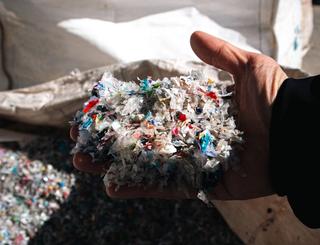
The circular economy model focuses on sustainable resource use, aiming to eliminate waste by ensuring that resources are retained in a useful capacity for as long as practicable.
The Waste Hierarchy framework can help achieve circular economy goals, and represents the preferred order of effective materials management, comprising:
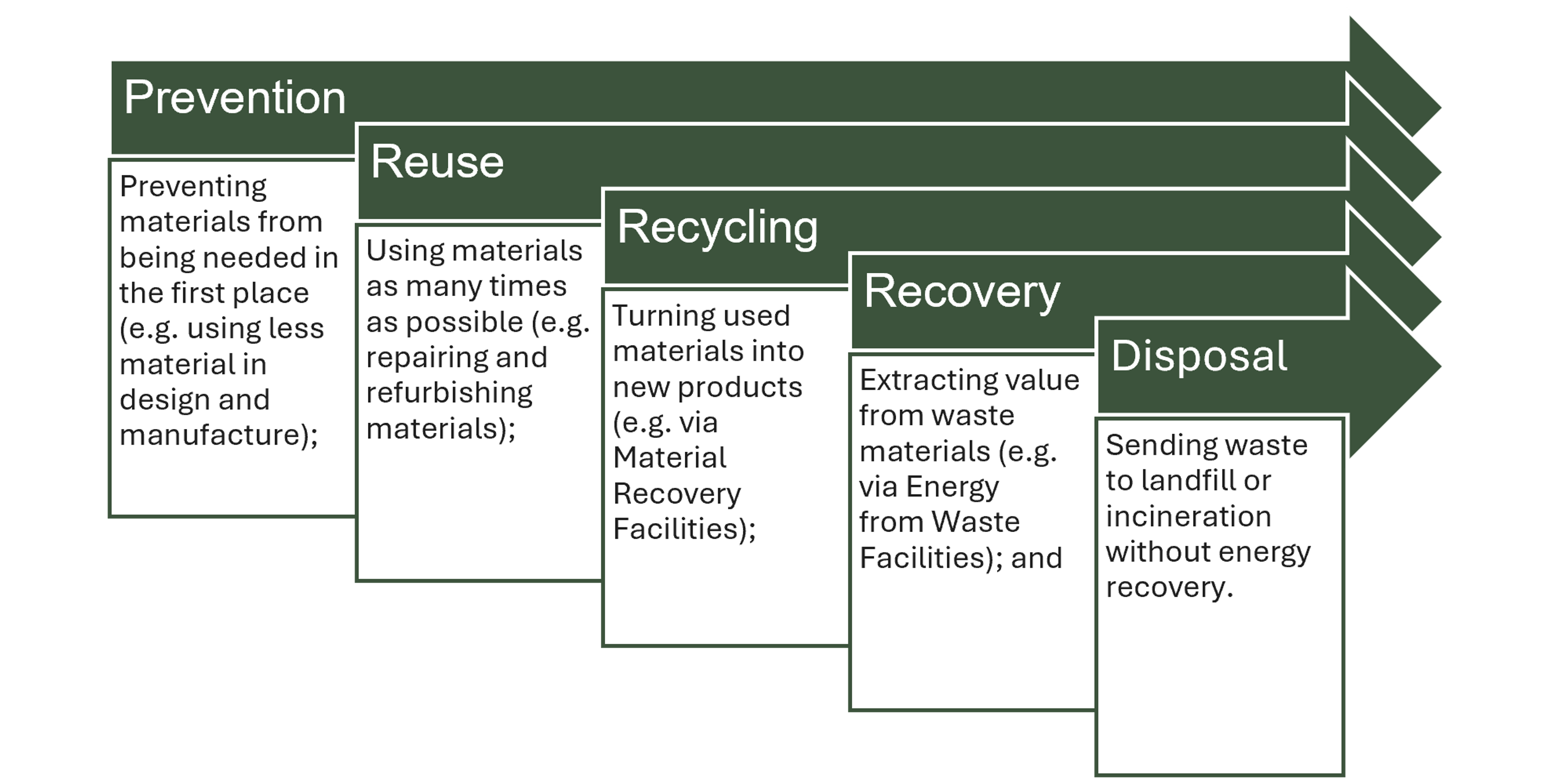
Pushing materials as high up the Waste Hierarchy as possible offers numerous benefits including conserving materials and energy, reducing demand for new materials (including raw materials extraction), and associated environmental damage caused.
There has been significant progress in diverting waste from disposal, with estimated amounts of combustible residual waste from all sources sent to landfill in England decreasing from 13.4 to 10.8 million tonnes between 2019 and 2024[1].
The most straightforward solution is diverting waste from disposal to recovery as, while there are limits to which materials can be recycled or re-used, a much broader range of material types and qualities can be recovered. Residual waste recovery involves combustion of waste remaining after recycling to produce energy for beneficial use as electricity and/or heat.
Residual waste can be combusted without further treatment, but can also be further processed or refined, producing additional materials for recycling and a more homogenous material for use in combustion plants. Refuse Derived Fuel (RDF) is residual waste that is moderately treated (e.g. by shredding and metals removal). Solid Recovered Fuel (SRF) is a more refined version of RDF, where wastes undergo greater processing, generally resulting in higher energy values and more refined physical and chemical characteristics. As the net calorific value (NCV) of SRF is comparable to some types of coal, SRF can potentially be a viable coal substitute (subject to other technical, commercial and compliance factors).
SRF is produced from several feedstocks, including commercial residual wastes, MRF rejects and the light fraction from skips. Plastic typically makes up a large proportion of SRF and, being derived from energy dense fossil fuels, has a high calorific value compared to other feedstock materials, so SRF with high plastic content tends to have higher NCV.
Another key aspect of SRF is biogenic carbon content, i.e. that which is part of the natural, short-term carbon cycle which includes living matter (as opposed to fossil carbon which is emitted from fossil fuels). Biogenic carbon (derived from wastes such as wood, paper, cardboard and natural textiles) does not contribute to climate change, based on assumed reabsorption via the short-term cycle, and is not considered in the context of UK or EU Emissions Trading Scheme (ETS) payments.
Biogenic to non-biogenic mix, and NCV are important parameters to consider for SRF users. Decisions on the above parameters will impact tonnages of SRF required, costs associated with SRF production, and potential ETS payments.
SRF usage
Once waste has been processed into SRF, it can be used for various purposes, including:
- As a fuel in energy intensive industries - cement and steel kilns can use SRF to replace some of their coal supply, resulting in less pollution, and allowing operators to pay less under ETS;
- In the aviation industry as Sustainable Aviation Fuels (SAF) - low carbon fuels from various feedstocks including SRF. Although not currently used at scale, it is a promising future opportunity; and
- Gasification - certain types of SRF can produce syngas, which can be used in oil and chemical production.
Potential threats to future SRF production
While SRF production from waste is preferable to disposal in landfill, it is even more beneficial to manage waste through higher tiers of the Waste Hierarchy (i.e. recycling, reuse, prevention).
Diversion of feedstock from recovery to recycling and reuse represents a threat to SRF production. Increased quantities of SRF feedstock are likely to be diverted in future, due to various factors including increasing public awareness for environmental issues, which is likely to lead to increased volume of recycling, better quality recycling, reduced contamination and less MRF rejects. New technologies, allowing previously unrecyclable materials to be recycled (e.g. chemical recycling) and technologies that improve MRF recycling efficiency such as AI and robotics are also likely to reduce contamination, improve recycling rates and reduce MRF rejects available for SRF production.
Higher recycling rates are a positive step (for reasons including climate change, resource security and consumer prices) but an inevitable consequence is that less material becomes available for recovery. Particularly significant to SRF production will be future improvements in plastic recycling as, without sufficient plastic content, SRF cannot achieve the NCV required for energy intensive uses such as combustion in cement kilns.
Tackling climate change has been a key priority of governments across the world for decades, and initiatives such as ETS, Deposit Return Schemes (DRS), and Extended Producer Responsibility (EPR) have encouraged these changes.
An unintended consequence of these otherwise beneficial developments could be that SRF (and potentially RDF) quantities reduce, impacting current users’ aspirations for alternative fuel usage. However, sourcing new SRF feedstocks could increase SRF production. For example,with increasing recycling, more food and garden waste will be diverted from household waste, increasing its suitability in SRF production. Furthermore, DEFRA figures show a large amount of combustible residual waste still being disposed to landfill, providing further potential SRF feedstock.
The waste management industry is resilient and adaptable, supporting waste producers to manage waste in an environmentally compliant manner and seeking to deliver supply chain value and circular economy action. SRF production and use in heavy industry has supported the avoided use of coal and other raw energy sources for more than a decade.
Whilst this new chapter of legislative change and technological advancement is likely to change SRF feedstocks, volumes and composition, the waste industry and SRF offtakers will adapt and continue to drive circular economy principles.
References
[1] Estimates of Residual Waste and Municipal Residual Waste in England - GOV.UK
Recent posts
-
-

Data centre backup power may be temporary, but its air quality impacts aren’t
by Ben Turner
View post -