SLR Responds to Treasury Consultation: Making climate reporting more efficient
by Sophia Davison, Henry Partridge
View post
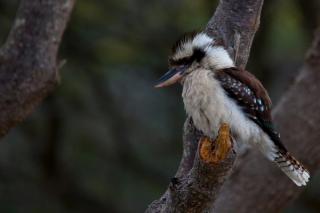
Global wildlife populations have fallen by over 69% between 1970 and 2018, with Australia recording the most mammal extinctions in the world. The World Economic Forum’s Global Risks Report (2022-2024) states that biodiversity loss is considered to be the 3rd most severe threat that humanity will face in the next 10 years, with 5 of the top 10 global risks linked to the environment.
Ecosystem services are the benefits provided through the transformation of natural resources into essential goods and services. We rely on these services to provide us with resources such as food and water, protection from extreme events, maintain habitats that support biodiversity and a wide range of cultural and aesthetic values. However, we impact these services through the degradation of native vegetation, excessive use of natural resources, pollution and emission of greenhouse gases. It is clear that our current approaches to ecosystem management do not appropriately consider the permanent loss of biodiversity that is gradually occurring, and recognize the flow on impacts it has to our societies.
In an effort to create systematic change, the United Nations Development Program (UNDP), United Nations Environmental Program Finance Initiative (UNEP FI), Global Canopy and World Wide Fund for Nature (WWF) created the Taskforce on Nature-related Financial Disclosures (TNFD).
Those already across the various sustainability reporting standards will recognise their fingerprints in the structure of the TNFD – such as those built from GRI, EFRAG, ISSB, TCFD, ESRS, CSRD, CDP. For those that are reading this and thinking “What are all these acronyms?”, the TNFD’s glossary of terms is a neat introduction to the complex world of sustainability reporting.
This new standard creates a strong, scientific approach to understanding a business’s interaction with nature, the hidden benefits and risks, and a methodology to present this information so consumers and investors can use that information accordingly.
Most of our clients have already begun or are beginning to create their mandatory climate-related financial disclosures (TCFD now ASRS). The TNFD works via a similar methodology, and the below diagram describes the links and overlap between these two related reporting systems.
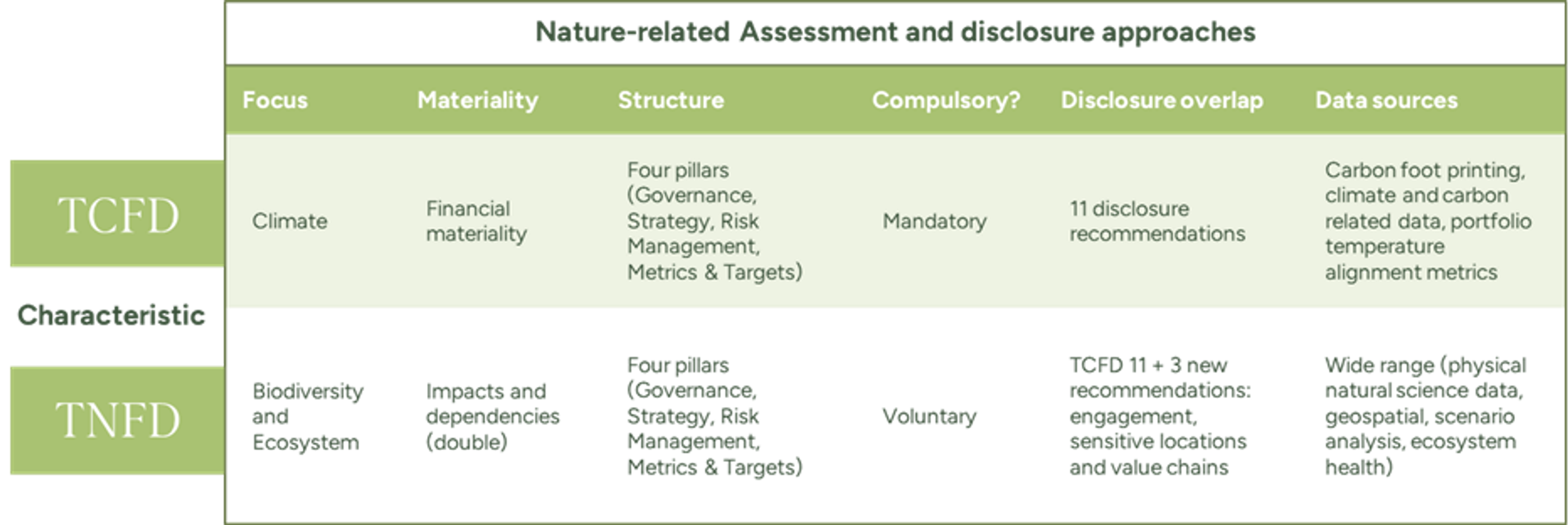
Armed with the TNFD’s getting started guidance (digital version; let’s not waste paper), businesses can follow a simple, scalable approach to understanding their nature interface.
As with all great steps forward, this involves a LEAP: those following the taskforce’s LEAP approach will be able to:
Locate interface with nature;
Evaluate dependencies and impacts on nature;
Assess nature-related risks and opportunities; and
Prepare to respond to nature-related risks and opportunities and report on their material nature-related issues.
This process is staged in a stepwise approach that can allow scalability for business units, activities, and areas of high and low risk. As such the LEAP becomes less of a lurch into the unknown for business and more of a metaphorical leap into a better way of operating, with a deeper understanding of nature risks and opportunities, more informed business practices, and more sustainable management of our unique ecological heritage.
For more details, see our factsheet.
Understanding and reporting on biodiversity can be difficult, particularly as this is a rapidly changing and complex industry. We have designed our approach to help you not only navigate compliance but build your own internal capabilities from the outset. Our global team of nature experts have extensive experience supporting clients to understand the nuance of the requirements and common pitfalls. Whether you are experienced in nature reporting or just getting started, SLR can support you at every step of the way.
Watch our recent webinar where we delve into the vital integration of nature-related reporting with climate reporting. Gain insights from experts, understand the importance of this dual approach, and obtain actionable recommendations on how to incorporate nature-related issues into your corporate reporting.
Watch WebinarTo learn more about how our experts are here to support businesses through implementing robust, science-based actions, visit our Nature, Natural Capital & Biodiversity service page.
To speak with one of our experts, contact Eoin or Dan today.
by Sophia Davison, Henry Partridge